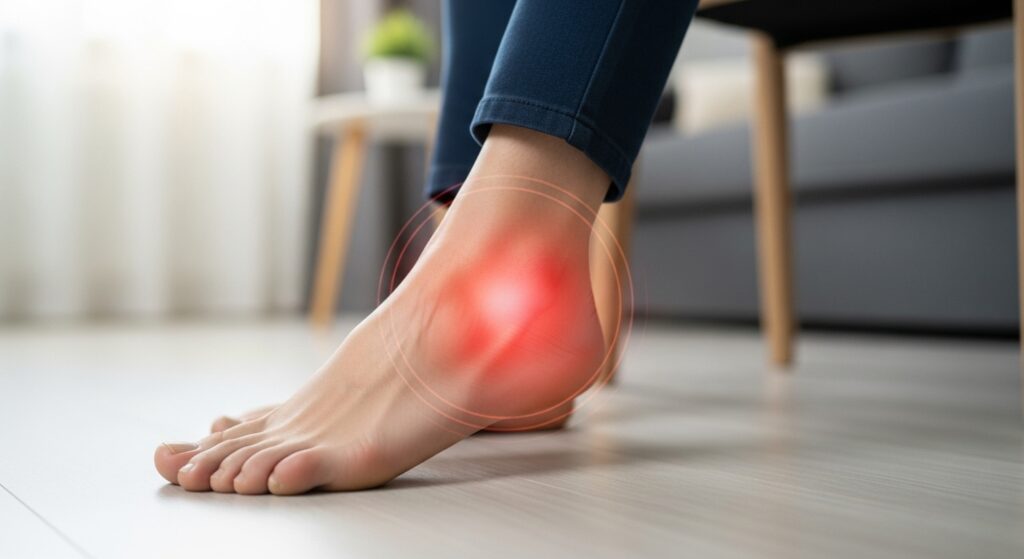
Pavatalgia is a term that might sound unusual, but it simply refers to persistent foot pain. For many people, this pain is more than just a minor discomfort; it can affect daily life, mobility, and overall happiness. Understanding pavatalgia is essential because knowing its causes, treatments, and management strategies can help you live a better life even with chronic foot pain.
What is Pavatalgia?
Pavatalgia is a medical condition where the foot experiences ongoing or recurring pain. It can be caused by various factors, including injury, nerve issues, inflammation, or long-term pressure on the foot. The pain might be sharp, burning, or dull and can worsen with walking, standing, or wearing improper shoes.
Living with pavatalgia can be challenging because it affects basic activities. Even simple tasks like walking to the store or standing for a long time may become painful. Understanding the type of pain and its underlying causes is crucial for managing it effectively.
Causes of Pavatalgia
Pavatalgia doesn’t happen overnight. It usually develops due to repetitive strain or existing health conditions. Some of the main causes include injuries, foot deformities, nerve problems, or chronic conditions like diabetes. Poor footwear, obesity, and long periods of standing can also worsen the problem.
- Plantar fasciitis
- Neuropathy or nerve damage
- Stress fractures
- Arthritis in the foot or ankle
- Improper footwear or high heels
Knowing the cause is the first step in managing pavatalgia. Doctors often recommend diagnostic tests like X-rays or MRI scans to find the exact reason behind the pain.
Symptoms You Should Know
Recognizing pavatalgia early can help prevent further complications. The most common symptoms include:
- Continuous foot pain, especially in the heel or arch
- Swelling or redness in the foot
- Difficulty walking or standing
- Numbness or tingling sensations
- Pain that worsens in the morning or after long periods of rest
If these symptoms persist for weeks, it is important to consult a healthcare professional to avoid permanent damage.
How Long Can Pavatalgia Last?
The duration of pavatalgia varies widely depending on the cause and treatment. Some people experience pain for a few weeks, while others may have chronic discomfort for years. Early diagnosis and proper care can significantly reduce the duration and severity of the pain.
Average Duration by Cause
| Cause | Typical Duration | Notes |
|---|---|---|
| Plantar fasciitis | 6–12 months | Can improve with stretches and shoes |
| Neuropathy | Years | Often managed with medication and therapy |
| Stress fractures | 6–8 weeks | Requires rest and sometimes casting |
| Arthritis | Chronic | Pain management and lifestyle changes |
| Improper footwear pain | Weeks to months | Resolved by using proper shoes |
This table shows that while some causes are temporary, others may require long-term management. Living with pavatalgia doesn’t necessarily reduce life expectancy, but it can affect comfort and mobility.
Treatment Options
Treatment depends on the underlying cause. Doctors usually recommend a combination of methods for the best results.
- Rest and avoiding activities that worsen pain
- Footwear adjustments and orthotics
- Physical therapy and stretching exercises
- Medications like anti-inflammatories or pain relievers
- Surgery in severe or chronic cases
Proper treatment can reduce pain and improve daily functioning. Combining treatments often works better than relying on one method alone.
Lifestyle Changes for Managing Pavatalgia
Managing pavatalgia at home is just as important as medical treatment. Small lifestyle changes can make a big difference in reducing pain and improving quality of life.
- Maintain a healthy weight to reduce foot stress
- Avoid standing for long periods without breaks
- Stretch your feet and calves daily
- Wear comfortable shoes with proper support
- Apply ice packs or heat to relieve discomfort
Simple routines like foot exercises and proper rest can prevent pain from worsening.
Living Comfortably with Pavatalgia
Although pavatalgia can be painful, people can live long, healthy lives with proper management. Daily care, following medical advice, and using supportive footwear can make a big difference. Many individuals continue to stay active, work, and enjoy life despite their condition.
It’s important to remember that pavatalgia affects each person differently. Monitoring symptoms and adjusting treatments over time ensures better long-term outcomes.
When to See a Doctor
Persistent foot pain should never be ignored. Consult a healthcare professional if you notice any of these signs:
- Pain lasting more than a few weeks
- Swelling or redness that doesn’t go away
- Numbness or tingling in the feet
- Pain interfering with daily activities
Early intervention can prevent complications and improve mobility and comfort.
Conclusion
Pavatalgia may be a lifelong condition for some, but understanding its causes, symptoms, and treatments can help you live comfortably. With proper care, lifestyle adjustments, and medical guidance, individuals with pavatalgia can maintain an active and fulfilling life. Your quality of life doesn’t have to be defined by foot pain, and taking steps early can make all the difference.